Industry deep-dive
How to Buy a Restaurant
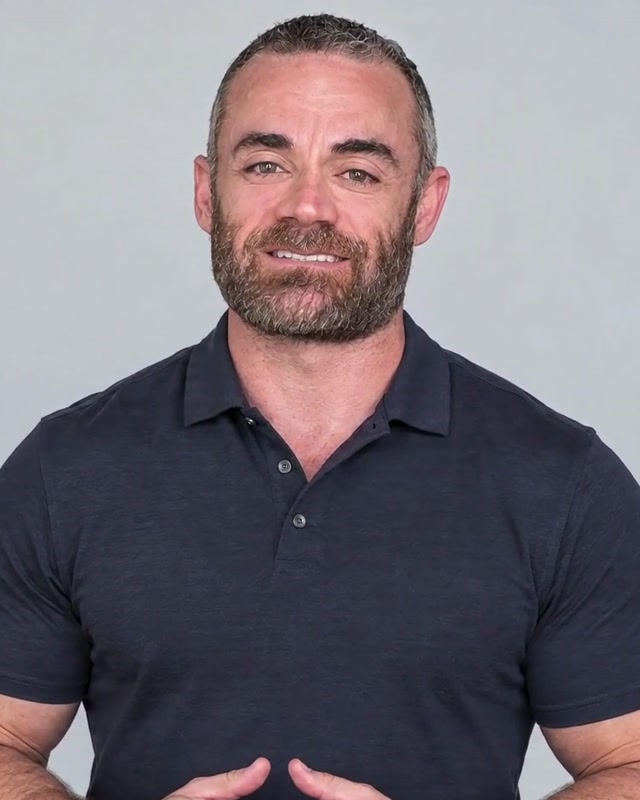 By Michael Freedman, Florida licensed business broker · Reviewed October 22, 2026
The most familiar business category and the most unforgiving. Low multiples reflect high failure rates and thin margins.
Why buyers like this industry
- Established restaurants with a decade of regulars have proven demand.
- Low multiples mean small checks can buy real cash flow.
- Turnkey operations with trained staff and supplier relationships in place.
- Catering and wholesale lines can add revenue beyond the dining room.
What drives value in this category
- Prime cost: food plus labor as a percentage of sales
- Lease terms and remaining years
- Revenue mix: dine-in, takeout, delivery, catering
- Manager and kitchen staff tenure
- Review trends and local reputation
Red flags to check
- The lease is short or the landlord is difficult.
- The owner is the chef or the face of the place.
- Sales are declining or propped up by delivery apps at high commissions.
- Equipment is old and the hood, walk-in, or HVAC needs replacement.
Who this suits
Experienced hospitality operators. First-time buyers should demand strong management in place and a long lease.
Michael Freedman
Florida licensed business broker. 14+ years buying and selling businesses, 1,000+ evaluated, $100M+ in deals closed and advised on.
About Michael →Evaluate any deal like a pro.
The Blueprint course walks you through valuation, financing and due diligence step by step. Want me to review a specific deal with you? That's Concierge.